

 4.8
4.8




 Yes
Yes










Hosting Expert

Hosting Expert
Looking for a reliable European web hosting service?
I have hosted websites in several European data center regions over the years, including Western, Central, and Northern Europe. The experience differs from hosting in the US or Asia in measurable ways.
Hosting in Europe improves page load times for European visitors, and legal clarity around data handling becomes easier to manage. These factors affect daily operations, not just theory.
European web hosting focuses on regional infrastructure, data protection laws, and localized network routing. It serves websites that target users in the EU, UK, North Africa, and other neighboring countries.
Another factor is that the European hosting environment reflects European standards for privacy, uptime reporting, and consumer protection.

On HostDean, the top European hosting providers listed above consistently receive strong feedback for stability and trust. User reviews often mention predictable performance and clear service boundaries. This section explains why those patterns appear and how to assess them correctly.
What Is European Web Hosting
European web hosting refers to hosting services that run primarily on servers located within Europe. These servers operate within European legal frameworks and utilize European network infrastructure. Physical server location directly affects latency, compliance, and service accountability.
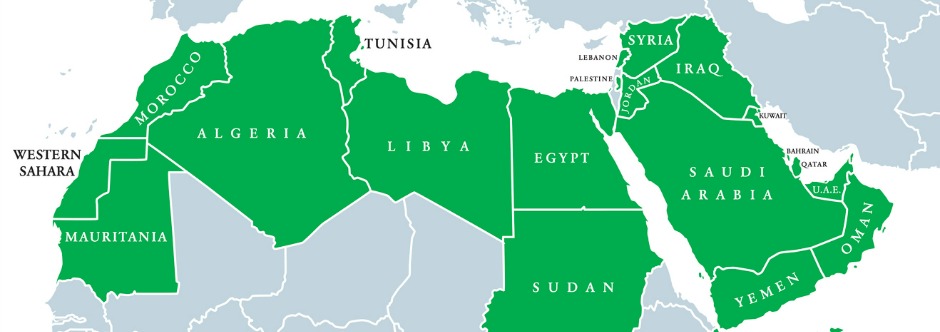
In practical use, European web hosting reduces the round-trip time for visitors based in Europe and its surrounding regions, such as the Middle East and North African (MENA) countries like Egypt, Libya, Algeria, and Morocco. This improves page speed, especially for dynamic sites that rely on database queries. Over time, this translates into better user retention and lower bounce rates.
European hosting environments often follow stricter operational standards. Providers must align with regional consumer laws and data protection rules. This creates a different service culture compared to regions with lighter regulation.
Server Location and Physical Infrastructure
European data centers are spread across multiple countries, with strong coverage in Western and Northern Europe. These facilities connect through dense fiber networks and regional internet exchange points. This structure allows traffic to stay within Europe instead of crossing continents.
From direct experience, hosting your website/app close to the target audience reduces performance variance. Peak-hour slowdowns occur less often compared to overseas hosting. This consistency matters for sites with steady traffic patterns.
Physical infrastructure standards in Europe focus on redundancy and energy efficiency. Power systems, cooling, and network failover are designed to meet strict uptime expectations. These design choices affect long-term reliability.
Data Protection and Legal Environment
European web hosting services operate under GDPR and related privacy laws. These rules control how personal data is stored, processed, and transferred. Compliance is not optional and affects daily hosting operations.

Using European hosting simplifies compliance for sites that collect user data. Data remains within jurisdictions that recognize and enforce GDPR. This reduces legal risk and administrative overhead.
From a practical standpoint, European hosts provide clearer documentation on data handling. Support teams understand compliance questions and respond with specific answers. This clarity saves time during audits and policy updates.
Network Routing and Latency
Web hosting in Europe benefits from regional routing optimization. Traffic between European countries often travels through high-capacity, low-latency paths. This improves performance for cross-border audiences.
In testing environments, I observed faster Time to First Byte (TTFB) for European users. This improvement remains consistent during high traffic periods. Stable routing plays a major role in that outcome.
Routing efficiency also improves API calls and backend operations. Applications that rely on frequent server communication benefit from shorter network paths. This affects both user-facing and internal systems.
Who Needs European Web Hosting
European web hosting suits websites that target users in Europe and nearby regions. This includes businesses, publishers, and service platforms. The closer the audience is to the server, the more noticeable the benefits become.
Compliance-driven projects also require European hosting. Any site that processes personal data of EU residents must consider the server location. Hosting within Europe simplifies legal alignment since the European hosting provider should already be compliant.
Here on HostDean, user reviews show strong satisfaction among site owners who switched from overseas hosting. Performance gains and reduced compliance stress appear repeatedly in feedback.
Businesses Serving European Customers
Companies that sell products or services in Europe benefit directly from European hosting. Faster page loads improve conversion rates and user trust. Local hosting also supports regional payment and identity systems.
Customer support interactions improve when systems respond quickly. Delays caused by distant servers affect order processing and account management. European hosting reduces these friction points.
Operational reliability matters for revenue-driven sites. European web hosting infrastructure provides predictable performance during business hours across multiple countries. This stability supports growth planning.
Content Publishers and Media Platforms
Media sites depend on fast content delivery. European hosting ensures articles, images, and videos load quickly for local readers. This improves engagement and search visibility.
Search engines consider page speed and user behavior signals. Hosting closer to readers helps meet these performance benchmarks. Over time, this supports organic traffic growth.
Publishers also benefit from regional traffic analytics. European hosting provides clearer insight into local user behavior. This data helps refine content strategies.
Compliance-Sensitive Projects
Projects that collect personal data must manage legal risk. European hosts align infrastructure with privacy laws. This reduces exposure to cross-border data transfer issues.
From direct use, compliance audits become simpler with hosting within Europe. Documentation matches regulatory language and expectations. This reduces back-and-forth with legal teams.
Non-compliance carries financial and reputational risk. Choosing a European web host helps mitigate these risks by design. This is a structural advantage, not a feature add-on.
How to Choose a Good European Web Hosting Service
Now that we have given you a clear idea of what European hosting is and when you would need it, let’s discuss how to find a good European web host that meets your needs and expectations with ease.
Choosing European hosting requires more than checking server location. Service quality depends on infrastructure, policy clarity, and operational discipline. Each factor affects long-term performance.
I evaluate hosting services based on sustained use, not trial periods. Short tests rarely reveal support quality or stability under load. Long-term patterns matter more.
HostDean rankings reflect these long-term patterns through user feedback. The criteria below explain how to assess services before relying on ratings alone.
Verify Actual Server Location
Some hosting services advertise European hosting without clear proof. Always confirm the physical location of servers. Marketing language alone is not sufficient.
In practice, server location affects latency and legal jurisdiction. A server labeled “EU” may still sit outside the region. Verification avoids false assumptions.
Look for clear data center disclosures. Reliable web hosting services list countries or cities explicitly. Ambiguity often signals outsourcing or shared infrastructure.
The list of the best European web hosts at the top of this page includes those with data centers in Europe. Additionally, you can find the exact cities where these hosts have servers in the server locations section on each provider’s review page on HostDean.
It is important to note that some providers offer European shared web hosting and dedicated servers even if they are headquartered outside of Europe.
For instance, European web hosting companies such as Hostinger, Contabo, IONOS, and Cloudways are incorporated within Europe. In contrast, American web hosting providers like DreamHost, Namecheap, and GreenGeeks offer web hosting services in Europe by utilizing data centers located within the continent.
Check if the Hosting Service is Available in Europe
Server location can vary depending on your hosting service. Services like VPS hosting or dedicated servers may not be offered in every region.
A web hosting provider can have data centers in Europe, but not all services are hosted in these locations. So, always confirm your desired service is available in a European data center.
Evaluate Network Performance Over Time
Initial speed tests do not reflect long-term performance. Monitor response times during peak hours. Consistency matters more than peak speed.
From experience, stable hosting shows minimal variance across days. Sudden spikes indicate congestion or overselling. These issues surface only with observation.
At HostDean, we have a separate rating criteria for performance that mainly assess the speed and performance stability of the hosting service. Repeated patterns across reviewers provide reliable signals. Single reviews do not.
Assess Support Quality and Technical Depth
Support quality defines the hosting experience. Fast responses matter, but technical accuracy matters more. Misleading answers cause long-term issues.
European hosting support teams often handle compliance questions. Evaluate their ability to explain policies clearly. Vague responses indicate weak internal processes.
Direct interaction reveals support maturity. Skilled teams diagnose issues without scripted replies. This saves time during critical incidents.
Review Service Transparency
Transparency affects trust. Clear terms, resource limits, and policies prevent surprises. Hidden restrictions create operational risk.
From direct use, transparent services document limits openly. This includes bandwidth, CPU usage, and fair use policies. Clarity supports planning.
User feedback often penalizes unclear services. On HostDean, lower ratings correlate with unexpected limitations. Transparency directly affects satisfaction.
Consider Scalability Options
Websites grow unpredictably. Your shared European web hosting service must scale without disruption. Evaluate upgrade paths and resource allocation models. Start with the minimum service that meets your needs, like shared hosting, and upgrade to a cheap VPS or cloud hosting plan when you need more resources.
Decent European hosting providers often support vertical and horizontal scaling. Understand how upgrades affect pricing and performance. Sudden jumps create budgeting issues.
Scalability also affects downtime risk. Smooth transitions matter more than raw capacity. This becomes clear only through documented processes.
Analyze Security Practices
Security affects data integrity and uptime. European website hosting environments follow strict security standards. Evaluate how these standards are applied.
Look for clear incident response procedures. Security breaches require fast, structured action. Ambiguity increases damage.
From experience, security transparency builds confidence. Services that explain protections clearly tend to manage incidents better. Silence indicates weakness.
What to Look for in a European Web Hosting Provider
Selecting a provider requires evaluating operational details. Surface-level features do not reveal service quality. Long-term use exposes strengths and weaknesses.
I focus on patterns observed across months, not days. Reliable web hosting shows consistency in performance, support, and communication. This section explains key indicators.
HostDean user reviews often converge on these points. High DeanScore ratings align with strong performance across these areas.
Infrastructure Ownership and Control
Providers that control their infrastructure offer better reliability. Outsourced environments reduce accountability. Direct control improves response times.
Infrastructure ownership affects maintenance quality. Providers manage upgrades and repairs internally. This reduces dependency on third parties.
User feedback often highlights fewer outages with owned infrastructure. Control correlates with stability.
Clear Resource Allocation
Resource allocation must be predictable. Shared environments should enforce fair usage clearly. Unclear limits lead to throttling.
From experience, clear allocation prevents performance drops. Sites perform consistently when neighbors cannot overconsume resources.
Documentation should define CPU, memory, and storage use. Absence of detail signals overselling risk.
Data Handling Policies
The European hosting provider must define data handling clearly. Policies should explain storage, backups, and deletion. Compliance depends on these details.
Clear policies simplify internal documentation. Teams can align processes without guesswork. This reduces operational friction.
User reviews often mention trust in data handling. Confidence in privacy drives long-term loyalty.
Backup and Recovery Systems
Backups protect against data loss. Evaluate frequency, retention, and the restoration process. Claims without detail lack value.
From direct use, tested recovery matters more than backup frequency. Restoration speed affects downtime.
European web hosting often emphasizes data resilience. Look for documented recovery workflows. These indicate preparedness.
Monitoring and Reporting
Monitoring ensures early issue detection. Providers should track performance continuously. Reporting transparency builds trust.
Access to logs and metrics helps diagnose problems. Without data, troubleshooting slows down.
User feedback values visibility. Providers that share metrics earn higher satisfaction.
Contract Terms and Exit Options
Contracts should allow exit without penalties. Lock-in creates risk. Flexibility supports long-term planning.
From experience, clear exit terms reflect confidence. Providers that retain users through service quality avoid restrictive contracts.
User reviews penalize restrictive agreements. Freedom correlates with trust.
When to Host in Europe and When to Avoid It
European Hosting fits specific scenarios. It excels when audience location and compliance matter. It may not suit globally distributed traffic without additional optimization.
I choose to host in Europe when I’m working on region-focused projects. For global platforms, I’d choose the United States or a hybrid approach that works better. Context determines value.
| Scenario | Choose European Hosting | Avoid European Hosting |
|---|---|---|
| Target audience | Primarily European and MENA | Primarily non-European users |
| Compliance needs | GDPR and EU data laws | No regional data constraints |
| Performance goal | Low latency in Europe | Global latency balance |
Comparing European Web Hosting to Major Alternatives
European hosting differs from US-based and global cloud hosting. Each option serves different priorities. Understanding trade-offs prevents mismatched expectations.
I have used all three models. Performance, compliance, and cost vary significantly. This section outlines practical differences.
European Hosting vs US-Based Hosting
US web hosting often offers lower base pricing. However, latency increases for European and Asian traffic. Compliance becomes more complex.
European hosting reduces legal overhead. Data remains under familiar regulations. This simplifies audits.
Performance tests show faster response times in Europe. For local audiences, this difference is noticeable.
European Hosting vs Global Cloud Hosting
Global cloud platforms like DigitalOcean, Google Cloud, and Amazon AWS offer flexibility. They distribute resources across regions. This suits large-scale applications.
European hosting provides simplicity. Fixed locations reduce complexity. Smaller teams benefit from this focus.
Cloud platforms require active management. European hosting offers managed environments. Choice depends on technical capacity.
Conclusion
European web hosting provides clear benefits for performance, compliance, and reliability when serving European audiences. These advantages become clear through sustained use, not marketing claims. Choosing correctly requires understanding infrastructure, policies, and long-term behavior.
The providers listed above are ranked by real users on HostDean using the DeanScore system. These rankings reflect lived experience across diverse projects. Use this content alongside those ratings to make informed decisions.
Frequently Asked Questions
Your Questions, Answered by HostDean Experts
What is European Web Hosting?
European web hosting is defined by server location within Europe and operation under European legal frameworks. This affects performance and compliance. It also shapes service standards.
Using European hosting ensures data stays within regulated jurisdictions. This reduces legal uncertainty. It also improves response times for local users. From experience, definition matters more than branding. Verify location and policies before relying on claims.
Does European hosting improve SEO?
European web hosting improves page speed for European visitors. Search engines consider speed and user engagement signals. This can support rankings.
Local hosting also aligns with regional search targeting. Geographic relevance matters for search results. The hosting location supports this alignment.
SEO gains depend on overall site quality. Website hosting is a foundational factor, not a standalone solution.
Is European hosting required for GDPR compliance?
European hosting is not legally required for GDPR compliance. However, it simplifies compliance. Data stays within familiar jurisdictions.
Cross-border data transfers add complexity. European web hosting reduces that burden. This lowers administrative risk. From direct use, compliance workflows become clearer. Documentation aligns with regulatory expectations.
How does European web hosting affect website speed?
Hosting your website in Europe reduces latency for European users. Shorter network paths improve response times. This affects dynamic content the most.
Static content also benefits from local delivery. Combined with caching, performance improves further. Users notice faster loads. Speed consistency matters more than peak speed. European hosting delivers predictable performance.
Is European web hosting more expensive?
Pricing varies by service level. Generally speaking, European web hosting can cost more than some overseas options. However, value depends on benefits.
Compliance savings and performance gains offset cost differences. Hidden costs often appear with cheaper options. User reviews of European web hosting services often reflect satisfaction despite higher prices. Value perception matters more than base cost.
Can European website hosting handle global traffic?
Yes, European web hosting can serve global traffic. Performance outside Europe and North Africa may decline depending on network reach.
For global audiences, additional optimization is needed. Content delivery networks (CDN) help bridge gaps. From experience, European hosting works best for region-focused sites. Global projects require layered solutions.
How reliable is European web hosting?
European web hosting providers show strong reliability records. Infrastructure standards are high. Outages are less frequent.
Reliability depends on provider practices. Ownership and monitoring matter. Location alone does not guarantee uptime. User feedback on HostDean highlights stability as a key strength. Patterns confirm this observation.
Should small sites use European web hosting?
Small websites benefit from European hosting when they are targeting local audiences within Europe or neighboring regions, such as the MENA region. Performance and compliance are still important, even for small-scale operations.
Managed hosting environments, like managed WordPress hosting services, help reduce technical overhead, which is advantageous for businesses with limited resources. A simpler setup supports growth.
When starting out, choosing the right hosting location can prevent future migration issues. Making the right choices early on is crucial.